
Fahmeena creates clear and practical content across digital marketing, technology, business growth and emerging digital trends.

Sameena reviews digital content for clarity, factual presentation, consistency and overall reader usefulness.
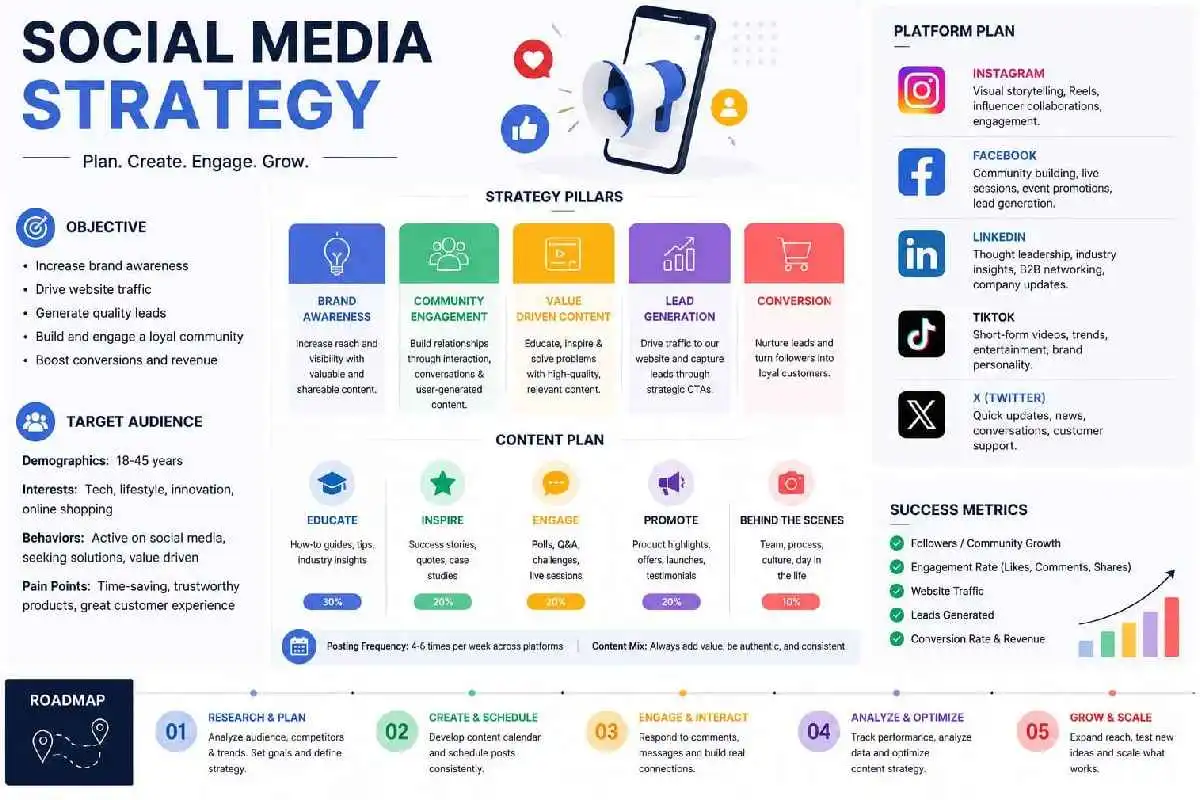
There Will Be a Need for a Comprehensive Social Media Plan by 2026. The use of AI to determine how feeds are displayed and the competition among brands for user attention on social media platforms (e.g., Instagram, LinkedIn, Facebook, X, YouTube & TikTok) has changed how we market.
A successful freelance career starts with understanding the responsibilities, opportunities, and challenges involved in becoming a freelance social media manager.
Based on statistics from 2026, Facebook, Instagram, and YouTube were still the leading platforms for user interactions. LinkedIn’s got the best B2B conversion rates, too. Companies focusing on their audience and keeping interactions steady do way better than those depending solely on trends or hashtags.
This guide is about building a successful social media strategy, planning effective content, boosting engagement, and naturally growing business accounts. It also covers staying optimized for Google Search and AI insights.
💼This article is part of our
Social Media Marketing
How to Create a Social Media Strategy?
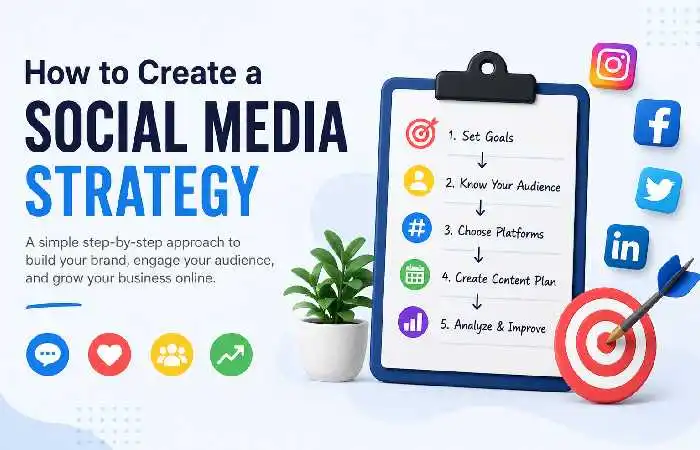
Understanding your target market and objectives is going to greatly simplify your social media strategy when compared to randomly posting items online. Your objective as a business should be to provide useful and interesting material to your followers, which will solve issues, answer questions, and/or entertain them. A well-defined social media strategy is going to allow you to provide the correct content on the proper social media platform, stay informed of current industry events, track results, build a reputable brand, utilize your time properly, and create greater visibility with your audience; the more efficient the strategy, the more likely there is going to be an increase in engagement with your followers.
If you’re new to freelancing, following a structured guide on how to become a freelance social media manager can help you build the right foundation before developing your business strategy.
1. Define Your Goal
Choose one primary objective:
- Brand awareness
- Website traffic
- Lead generation
- Community building
- Sales conversions
2. Understand Your Spectators
Research:
- Age group
- Interests
- Platform preferences
- Buying behavior
- Content consumption habits.
3. Select the Right Platforms
| Platform | Best For | Ideal Content |
| Graphic brands | Reels, Floors | |
| B2B growth | Supposed management | |
| Local businesses | Community posts | |
| TikTok | Viral reach | Short-form videos |
| YouTube | Long-term traffic | Tutorials & reviews |
4. Create Content Pillars
Most successful brands use 3–5 content pillars, such as:
- Educational content
- Behind the divisions
- Testimonials
- Product tutorials
- Industry insights
5. Track Performance Metrics
Monitor:
-
- Reach
- Engagement rate
- Click-through rate
- Saves & shares
- Follower growth
- Conversion rate.
Before creating a long-term strategy, make sure you have the essential skills needed for freelance social media management, including content planning, analytics, communication, and platform management.
Content Planning for Social Media
Content planning for social media keeps businesses consistent and engaged with their audience while staying organized. Using a structured calendar, brands plan their educational, promotional, and interactive posts. This lets them spot trends, seize seasonal chances, and plug content gaps. Also, relying on data and focusing on what their audience loves is helping lots of companies boost their social growth and organic reach through 2026.
Benefits of Content Planning
Saves time
Improves consistency
Reduces content gaps
Increases audience trust
Helps track campaigns
Example Weekly Content Plan
| Day | Content Type | Goal |
| Monday | Educational post | Build authority |
| Tuesday | Behind-the-scenes | Increase trust |
| Wednesday | Short-form video | Reach a new audience |
| Thursday | Customer testimonial | Social proof |
| Friday | Promotional post | Generate leads |
| Saturday | Poll or question | Boost engagement |
| Sunday | Recap or carousel | Increase saves |
Recommended Content Ratio for 2026
| Content Type | Percentage |
| Educational | 40% |
| Entertaining | 30% |
| Advertising | 20% |
| Public absorbed | 10% |
Best Social Media Posting Schedule
Significantly, the right social media schedule really matters since it affects how engaged individuals are with your posts. Plus, different sites peak at various times, so businesses should post once their audiences are online the most. Plus, upholding a steady yet not overrunning placement frequency is wise. Consistency without spamming—think sparse but reliable appearances—is better for small businesses aiming to build trust and increase visibility. Posting excessively throughout the day just isn’t as effective.
By 2026, sharing short videos, helpful information, and engaging content at times when ads don’t bombard folks makes sense – like early morning, during lunch, or in the evening. Instead of locking into just one time, businesses need to try different posting schedules regularly.
Using the right social media management tools can streamline scheduling, content organization, performance tracking, reporting, and day-to-day client work.
Best Posting Times in 2026
| Platform | Best Time |
| 6 PM – 9 PM | |
| 8 AM – 10 AM | |
| 1 PM – 4 PM | |
| TikTok | 7 PM – 11 PM |
| YouTube | 5 PM – 8 PM |
Post Consistently:
Succeeding on social media means posting regularly. It lets algorithms know you’re active and helps build trust with your audience. Companies sticking to a schedule generally grow more in reach and engagement, too.
Focus on Platform Timing:
Pick the right timing for each site since every one has its own busy hours. Hit those peaks to boost views and chats.
Prioritize Quality Over Quantity:
Quality counts more than sheer quantity, though. People engage way more with value-packed and fun content, not constant mediocre updates.
Track Analytics Weekly:
Lastly, look at your numbers weekly. Checking the analytics helps find top times, forms, and how folks interact. You can tailor your plan to really hit home with actual data.
Recommended Posting Frequency
| Platform | Recommended Frequency |
| 1–2 posts daily | |
| 3–5 posts weekly | |
| 1 post daily | |
| TikTok | 1–3 videos daily |
| YouTube | 1–2 videos weekly |
Your strategy should also include a clear pricing model, with freelance social media manager pricing and packages based on your services, experience, workload, and clients’ needs.
Social Media Engagement Strategies
A solid social media plan helps build belief, boost visibility, and increase meetings. By 2026, stages will push content that starts real chats, not just stuff that gathers quick likes. So, brands that are great at actual talks and truly involve their audience will grow and win loyalty faster.
Respond Quickly to Comments
Being quick to respond to comments keeps the conversation rolling and demonstrates that you’re active and relatable. It also bumps your posts to a wider crowd.
Use Interactive Content
Leveraging polls, quizzes, and Q&A hooks people into interacting more. These fun formats keep the connection juiced and folks engaged longer.
Examples include:
- Polls
- Quizzes
- Questions
- AMA sessions
- Live videos.
Create Story-Driven Content
Storytelling makes content relatable and emotionally engaging for followers because people love personal experiences, customer stories, and behind-the-scenes peeks more than typical ads.
Encourage User-Generated Content
Getting users to create their own content is awesome, too. When they post photos or write testimonials, it amps up authenticity and social proof, building trust and boosting that vital organic reach.
Analyze Engagement Metrics
To really milk what works, keep track of comments, shares, saves, and watch time. Learning which types of content your audience adores can guide your future social media moves.
Engagement Comparison by Content Type
| Content Format | Average Engagement Potential |
| Short-form videos | Very High |
| Carousel posts | High |
| Static images | Medium |
| Text-only posts | Medium |
| External links | Low |
How to Grow Business Accounts Organically
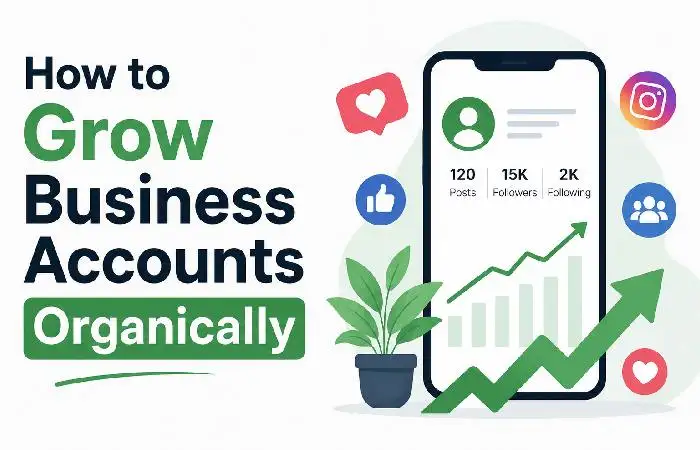
Organic growth in 2026 needs steady content creation, audience interaction, and tailored posts. Now, social media favors authentic, helpful content for building chats and views. Companies that prosper focus on faith, consistency, and linking with their community, not just indulging in ads.
A strong strategy isn’t complete without a reliable approach to freelance social media manager client acquisition, helping you consistently attract and convert potential clients.
Optimize Social Media Profiles
To nail social media, make sure your profiles rock by using great branding, including keywords in your bio, updating contact info, and adding clear call-to-action buttons. Optimizing like that really boosts discoverability and makes you look legit.
Create Valuable Content Consistently
Consistently churn out valuable stuff too—edu posts, short vids, tutorials—that’s what grabs engagement and shares. The thing is, sticking to a routine can give a big boost to your visibility through those tricky algos.
Use Platform SEO Techniques
Also, sprinkle in relevant keywords, hashtags, and caption text to optimize your post for SM SEO. This trick is getting pretty crucial for being found in searches now.
Engage With Your Audience Daily
You gotta interact with your followers daily—reply to their comments and messages. It builds that all-important trust and keeps the algo gods happy, too.
Repurpose High-Performing Content
Leverage your hits by repurposing them. Maybe turn a blog post into carousel pics or a podcast clip into an Insta quote post. Smart recycling keeps things fresh while still being consistent.
Collaborate With Creators and Communities
Lastly, hook up with micro-influencers and other players in your field. Teaming up lets you tap into new niches in a natural way. Plus, collaborative stuff tends to spark way more interaction and visibility.
Common Social Media Strategy Mistakes
| Mistake | Impact |
| Posting inconsistently | Lower reach |
| Ignoring analytics | Poor optimization |
| Over-promoting products | Audience fatigue |
| Copying competitors | Weak brand identity |
| Using only AI content | Lower authenticity |
Conclusion
A strong social media plan lets businesses connect with their audience and boost visibility. Consistency matters, as do open customer interactions. Stay with the trends till 2026 too. Just post authentically, be honest, and use data for guidance. It builds trust and expands reach. Regular planning and posting create a solid online presence, so stay focused and keep going. Its foundation supports traffic, lead generation, and general business growth.
Fahmeena Begum is a Digital Marketing & Technology Writer at Web Digi Marketing with 3+ years of writing experience. Her work covers digital marketing, SEO, content marketing, business growth, digital tools, artificial intelligence, software and emerging technologies.
View Author Profile →
Sameena Begum is a health, technology and digital content reviewer with 8 years of experience. Her review work focuses on editorial clarity, factual presentation, consistency and reader usefulness across technology and digital subjects.
View Reviewer Profile →